Introduction
In a quickly advancing health care landscape, registered nurses are progressively needed to expand their ability to meet the diverse demands of patients. One location that has acquired significant relevance is PEG (Percutaneous Endoscopic Gastrostomy) feeding This specific kind of enteral nourishment involves positioning a tube straight right into the stomach, enabling the distribution of nutrients to patients who might be not able to consume orally. Thus, training in PEG feeding is not simply valuable; it's essential for contemporary nursing practice.
This short article will certainly discover the nuances of PEG feeding training, particularly concentrating on how nurses can come to be specialists around. From understanding the fundamentals of enteral nutrition support to the intricate information involved in providing PEG feeds, we intend to offer detailed understandings into PEG feeding training courses, including those offered in Australia and under the NDIS framework.
What is PEG Feeding?
Understanding PEG Feeding
PEG feeding refers to the technique of providing nourishment straight into a patient's stomach through a tube put using an endoscopy treatment. It is typically suggested for people who can not ingest safely or properly absorb nutrients because of various medical conditions such as stroke, neurological conditions, or head and neck cancers.
Indications for PEG Feeding
There are numerous indications for launching enteral feeding, consisting of:
- Neurological Disorders: Conditions like ALS and cerebral palsy where swallowing may be compromised. Cancer Clients: Especially those undergoing radiotherapy or radiation treatment impacting their ability to eat. Severe Anorexia or Lack of nutrition: In patients incapable to maintain sufficient dietary intake.
The choice to proceed with PEG feeding should constantly be patient-centered, thinking about both clinical need and quality of life.
The Value of Enteral Nourishment Support
Why Enteral Nourishment Matters
Enteral nourishment plays an essential role in preserving and bring back nutritional status. For numerous people, it's not practically calorie consumption but likewise concerning guaranteeing they obtain important vitamins and minerals needed for recovery.
Benefits of Enteral Feeding
Reduced Infection Risk: Compared to parenteral nutrition (IV), enteral feeding can reduce the threat of infections. Maintenance of Digestive tract Stability: By using the intestinal tract, enteral feeding assists preserve gut function and microbiota balance. Cost-Effectiveness: Usually a lot more inexpensive than intravenous alternatives.Understanding these benefits underscores why registered nurses need experienced training in providing premium enteral nutrition support through strategies like PEG feeding.
The Duty of Registered nurses in PEG Feeding
Nursing Duties in Enteral Feeding
Nurses play an essential function in managing patients getting enteral nourishment through PEG tubes. Their obligations consist of:
- Assessing person needs based on medical evaluations. Administering feedings correctly while keeping track of for complications. Educating patients and family members about treatment procedures.
Skills Required for Effective PEG Feeding Management
To work, registered nurses should create vital skills such as:
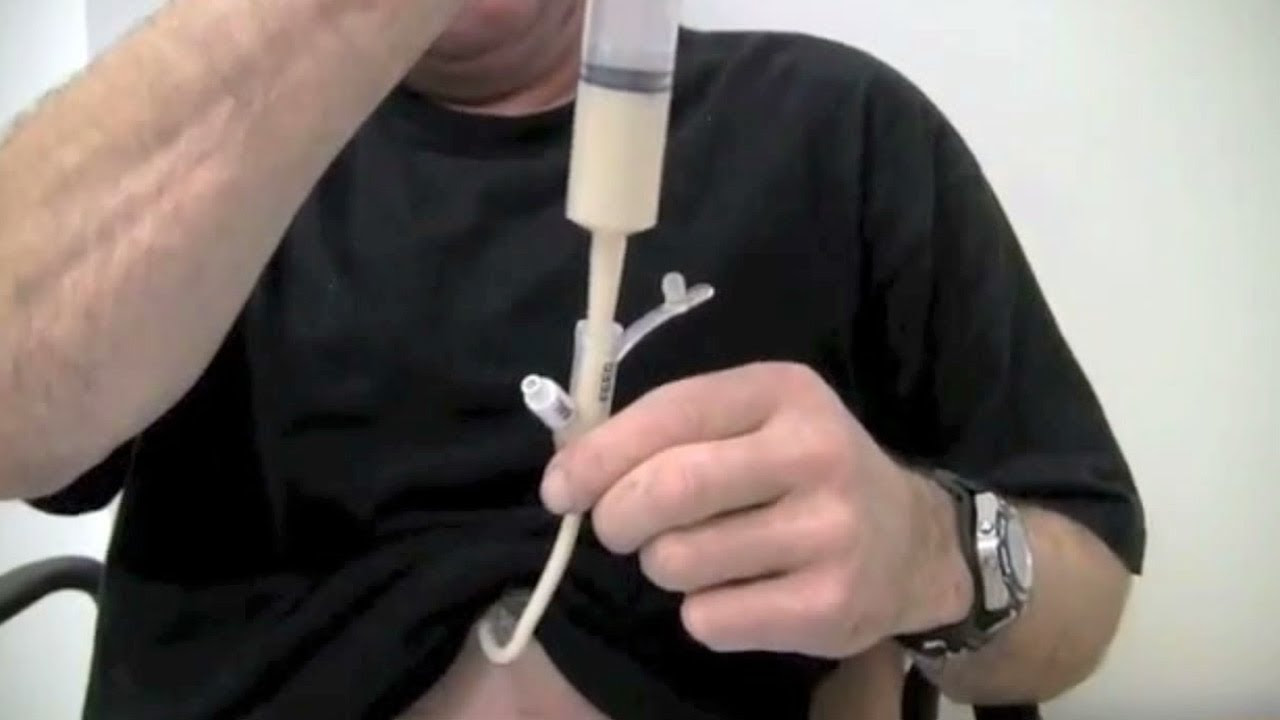
- Proficiency in operation enteral feeding equipment. Ability to identify signs of potential difficulties (like tube dislodgment or infections). Strong interaction abilities to overview clients and caregivers with home treatment practices.
Overview of PEG Training Courses Available
Types of PEG Training Courses
When searching for PEG training courses, it is necessary to consider your certain learning needs. Below are some typical types:
Basic Entry-Level Courses: Perfect for freshly qualified nurses wanting to understand basic principles. Advanced Specialized Training: For seasoned nurses seeking much deeper knowledge or certification. Online Learning Modules: Hassle-free courses that permit flexible knowing opportunities.NDIS PEG Feeding Training
For registered nurses collaborating with clients under the National Special Needs Insurance Scheme (NDIS), specialized training programs exist that concentrate on conference unique patient requires while sticking to regulatory standards.
Becoming Licensed: What You Need To Know
Importance of Certification
Obtaining a certification in PEG feeding shows your commitment and expertise in this customized area. It not only improves your expert reliability however may also open up innovative profession possibilities within health care settings.
How To Achieve Your Certification
Steps typically include:
Enrolling in an accredited training course focused on enteral feeding support Completing both academic expertise analyses and practical abilities demonstrations. Keeping current with continuous education demands as stipulated by certifying bodies.
Practical Skills Obtained from PEG Feeding Training
Hands-On Experience: Discovering by Doing
One considerable benefit of comprehensive peg training courses is the possibility for hands-on experience with real-world applications.
Key Practical Skills Include:
- Tube placement techniques Managing feed infusions Recognizing indicators of issues very early
This training makes certain that upon conclusion, you're equipped with both academic expertise and useful abilities necessary for risk-free person care.
Common Issues Associated with PEG Feeding
Identifying Potential Problems Early On
While enteral feeding deals many advantages, there are additionally dangers associated with it that educated professionals must keep track of closely:
Tube Variation: Tubes can end up being dislodged resulting in poor nourishment delivery. Infections: Both neighborhood at insertion websites and systemic infections position threats if appropriate health isn't maintained. Aspiration Pneumonia: Malpositioned tubes may bring about feed getting in the lungs as opposed to the stomach.Safety Protocols
To minimize these risks, rigorous security methods should be stuck to during all aspects involving peg feed training Normal follow-ups are important too!
Educational Resources Available
Online Resources
The internet provides a myriad of resources varying from totally free articles reviewing enteral nourishment support principles to paid detailed on the internet courses customized specifically toward health care professionals looking for innovative expertise regarding PEGl feed management techniques.
Recommended Online Platforms Include:
Medscape Coursera Udemy Local health organizations' websites providing specific materialThese systems commonly offer valuable products including videos, tests, case studies, conversations online forums-- all designed around enhancing finding out experiences!
Frequently Asked Concerns (Frequently asked questions)
1. What is peg feeding?
PEG feeding entails providing nutrients straight right into a patient's belly using a tube inserted with an endoscopic procedure when oral consumption isn't feasible due either clinically relevant constraints or failure due physical problems surrounding eating procedures themselves! Click here for more
2. Who needs peg feeding?
Patients struggling with problems like strokes; neurodegenerative diseases; cancers cells affecting swallowing capabilities commonly require this treatment so they can still get vital nutrients required throughout treatment phases!

3. Exists any kind of specific nurse-led training available?
Absolutely! Different specific programs exist globally concentrating particularly on encouraging nursing personnel around best practices when executing jobs related to both initial placements & & ongoing administration post-procedure making certain ideal care top quality throughout!
4. What should I seek when picking secure training courses?
Consider variables like certification condition; program size; instructor credentials; evaluations from previous trainees-- these aspects can make all distinction in between searching for right fit versus wasting time/money going after poor options!
5. Can I conduct my very own trainings without formal certification?
While self-guided research certainly assists construct fundamental knowledge-- you'll struggle obtaining full self-confidence unless backed by recognized program credentials recognized throughout healthcare systems consequently enrolling somewhere trusted must always continue to be concern!
6. What happens if I miss my scheduled clinical evaluation during course completion?

Typically rescheduling possibilities occur-- but policies vary between carriers so check straight beforehand relating to particular regulations used towards each circumstance encountered!
Conclusion
In final thought, becoming proficient at managing peg feeds through specialized training outfits nurses not only with vital skills but also improves their overall payment within multidisciplinary teams devoted towards enhancing person outcomes across diverse healthcare settings! Through ongoing education-- ending up being professionals makes it possible for specialists entering this field navigate complexities effectively while maximizing high quality treatment requirements anticipated today-- inevitably guaranteeing every client receives necessary nutritional support regardless tests dealt with along trip ahead!
By engaging deeply with topics surrounding enteral nutrition support, achieving certifications-- such quests reflect commitment in the direction of quality paving paths leading fulfilling occupations rooted trust fund gained among peers & & communities served alike unlocking doors previously unimagined! Currently go forth equipped knowing exactly what entails Becoming A Professional: The Crucial Peg Feeding Training For Nurses-- your future awaits!