Introduction
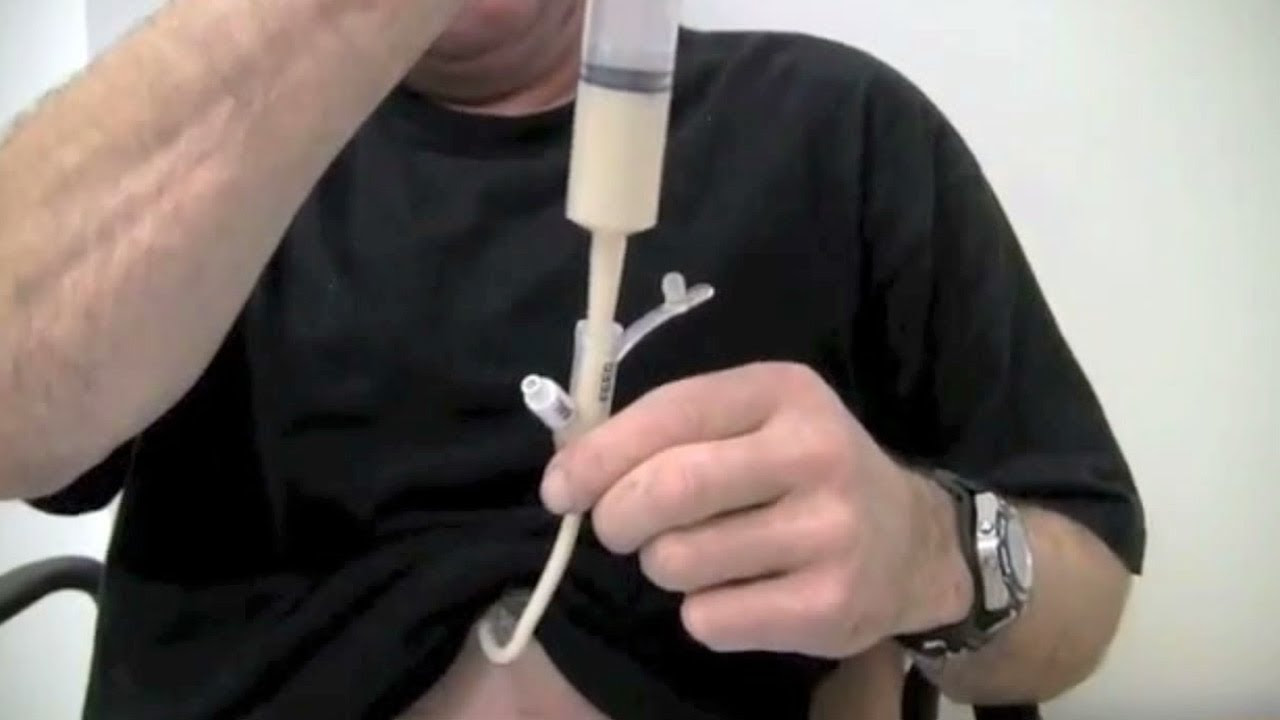
In a globe increasingly focused on customized healthcare, enteral nutrition support has actually become a necessary element for people unable to consume food by mouth. As we explore the future of this crucial field, we will explore the patterns and developments forming enteral nutrition, particularly in connection with PEG (Percutaneous Endoscopic Gastrostomy) feeding. This comprehensive short article will cover various facets, including training programs such as NDIS PEG feeding training and training courses aimed at medical care professionals.

The Future of Enteral Nutrition Support: Trends and Innovations to See For
Enteral nutrition support is witnessing considerable changes because of improvements in technology, enhanced awareness regarding patient-centered treatment, and ongoing research study right into nutritional demands. With an expanding understanding of the complexities involved in enteral feeding, there are various patterns that specialists and caregivers should watch on.

1. Technological Improvements in Enteral Feeding
1.1 Smart Feeding Pumps
One of one of the most exciting technologies is the advancement of clever feeding pumps outfitted with real-time tracking systems. These tools can track patient conformity, nutrient distribution prices, and also sharp caregivers if there are concerns with the feeding process.
1.2 Telehealth Capabilities
Telehealth is reinventing healthcare by permitting remote monitoring and examinations. In enteral nutrition support, this implies individuals can obtain care from home while healthcare providers monitor their nutritional intake via digital platforms.
2. Improved Training Programs for Health Care Providers
2.1 NDIS PEG Feeding Training
As a lot more healthcare specialists engage with enteral nutrition support, specialized training becomes necessary. The National Special Needs Insurance Coverage Scheme (NDIS) supplies PEG feeding training that furnishes registered nurses and support workers with essential abilities to take care of enteral feeding effectively.
2.2 Enteral Feeding Support Courses
Various schools are providing extensive programs focusing on enteral feeding strategies and best practices. These courses highlight hands-on training and theoretical expertise, ensuring participants understand both the sensible and emotional facets of offering care.
3. Boosting Concentrate On Patient-Centered Care
3.1 Personalized Nourishment Plans
Moving away from one-size-fits-all techniques, doctor are now concentrating on individualized nutrition plans tailored to each patient's special demands and preferences. This fad fosters better compliance and boosts health outcomes.
3.2 Family members Participation in Care Plans
Engaging households in enteral nutrition conversations boosts patient convenience and adherence to dietary suggestions. Educating family members about PEG feeding allows them to end https://mylescrtt.bloggersdelight.dk/2025/04/16/why-pick-peg-feeding-discovering-the-relevance-of-enteral-nutrition/ up being active participants in the person's care journey.
4. Advancements in Nutritional Products
4.1 Customizable Nutritional Formulas
Advancements in nutritional items permit personalized solutions that fulfill individual requirements based on case history, allergic reactions, or dietary preferences.
4.2 Plant-Based Options for Enteral Nutrition
With the increase of plant-based diet regimens, manufacturers are developing vegan-friendly enteral nourishment items that supply necessary nutrients without animal-derived ingredients.
5. Research Study Developments in Enteral Nutrition Support
5.1 Researches on Digestive Tract Microbiome Impact
Recent research study shows that gut microbiomes play a significant duty in total health and wellness; therefore, incorporating prebiotics or probiotics right into enteral feeds might improve patient healing times.
5.2 Long-Term Impacts of Enteral Feedings
Ongoing researches intend to explore the long-term effects of enterally fed people concerning metabolic feedbacks and overall health and wellness outcomes.
6. Governing Changes Affecting Enteral Nutrition Practices
6.1 Updates from Wellness Authorities
Health authorities worldwide are routinely updating standards surrounding risk-free techniques associated with PEG tube insertions and maintenance protocols to make sure optimal client safety.
6.2 Impact of Reimbursement Plans on Care Quality
Changes in reimbursement plans can substantially influence how healthcare facilities allot resources towards enteral nutrition support services.
7. Partnership Across Disciplines for Improved Outcomes
7.1 Interdisciplinary Group Approaches
An interdisciplinary method entailing dietitians, registered nurses, physicians, and pharmacists makes certain holistic look after clients calling for enteral nourishment support.
7.2 Area Engagement Initiatives
Community programs focused on enlightening both patients and family members concerning PEG feeding can promote greater understanding and approval of this essential therapy option.
8. The Role of Modern Technology in Education: Online Courses & Certifications
8.1 Availability of Online PEG Training Courses
Online systems offer versatile knowing opportunities for wellness professionals interested in enhancing their skills with approved courses such as peg training for nurses or secure training for support workers.
|Course Call|Duration|Certification|| ----------------------------------------|------------|-------------------|| Enteral Feeding Support Course|5 weeks|Yes|| NDIS PEG Feeding Training|4 weeks|Yes|| Advanced PEG Tube Monitoring|3 weeks|Yes|| Pediatric Enteral Nourishment Program|6 weeks|Yes|
FAQs
Q: What is PEG feeding?
A: Percutaneous Endoscopic Gastrostomy (PEG) feeding involves positioning a tube straight into the belly whereby liquid nutrition is provided when oral consumption isn't feasible.
Q: Just how does NDIS effect PEG feeding training?
A: The NDIS gives funding for special needs services consisting of specialized training for caregivers involved with PEG feeding management, guaranteeing top quality take care of individuals with impairments needing dietary support.
Q: Why is patient-centered care important in enteral nutrition?
A: Patient-centered care focuses on private choices and requirements which can result in improved adherence to dietary protocols leading to much better wellness results overall.
Q: What certifications do I need for going into a peg feeding course?
A: Generally, individuals ought to have a history in nursing or allied health and wellness services; nevertheless some initial training courses might be open to any interested people happy to learn about enteral nutrition support principles.
Q: Are there threats related to PEG feedings?
A: Like any medical treatment, there are dangers including infection at insertion websites or problems developing from tube dislodgment; correct training alleviates these risks significantly.
Conclusion
The future landscape of enteral nutrition support is positioned for amazing developments driven by technical improvements, boosted training programs like NDIS peg feeding training, customized treatment techniques, innovative dietary products, ongoing study endeavors, governing adjustments cultivating safety standards throughout methods-- all finishing in the direction of improved patient results through efficient monitoring techniques focused around PEG feedings.
As we look ahead-- both patients requiring help with their dietary needs-- and specialized experts involved within this area-- must remain hip to in the direction of these emerging fads! By embracing these technologies together-- the journey in the direction of achieving optimal health with tailored solutions becomes significantly attainable!